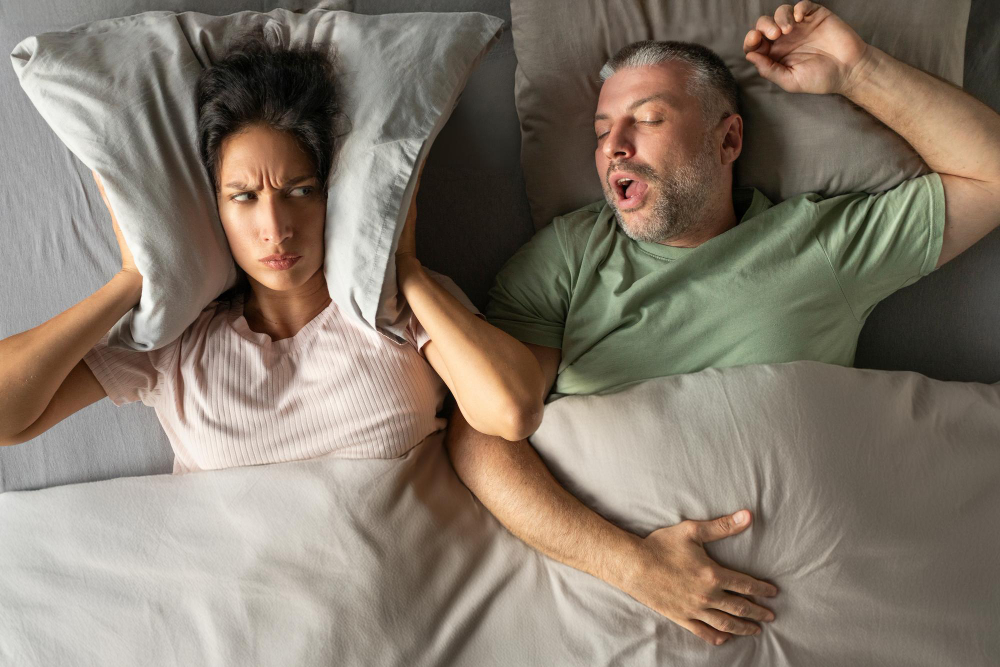
Do you often wake up with a headache after a night of loud snoring? If so, you are not alone. Many people experience snoring and morning headaches, but few realize these signs may point to a serious sleep disorder called sleep apnea. In cities like New York and Los Angeles, busy lifestyles can make it easy to overlook these symptoms. However, understanding the link between snoring, headaches, and sleep apnea is important for your health.
What Is Sleep Apnea?
Sleep apnea is a condition where breathing stops and starts during sleep. Because of these pauses, your body may not get enough oxygen. As a result, you might feel tired during the day. According to the Centers for Disease Control and Prevention (CDC), sleep apnea affects millions of adults in the United States. There are two main types: obstructive sleep apnea, which is more common, and central sleep apnea. Both types can cause health risks if left untreated.
How Snoring and Morning Headaches Are Connected
Snoring is often a sign that air is not moving smoothly through your throat. When you have sleep apnea, your airway may close off many times each night. Because of this, your brain and body get less oxygen. This lack of oxygen can cause you to wake up with headaches. In fact, many people ask, “Why do I wake up with headaches?” The answer may be sleep apnea. Not everyone who snores has sleep apnea, but loud, frequent snoring with morning headaches is a warning sign.
Common Symptoms of Sleep Apnea
Sleep apnea symptoms can vary, but several signs are common. For example, you may notice:
Additionally, some people may notice mood changes, such as feeling irritable or depressed. Because these symptoms can affect your daily life, it is important to pay attention to them.
Causes and Risk Factors
Several factors can increase your risk for sleep apnea. For instance, being overweight is a major risk. Extra weight can put pressure on your airway. Also, men are more likely to have sleep apnea than women. Age is another factor, as the risk goes up as you get older. Other risk factors include:
Because these risks can add up, it helps to know your own risk factors. In many large cities, air pollution and allergies may also make symptoms worse.
How Sleep Apnea Is Diagnosed
If you have symptoms like snoring and morning headaches, your doctor may suggest a sleep study. During this test, sensors track your breathing, heart rate, and oxygen levels while you sleep. Sometimes, you can do a home sleep test. However, some people need to visit a sleep center for a full study. Doctors use these results to find out if you have sleep apnea and how severe it is. Early diagnosis can help prevent health problems later.
Treatment Options for Sleep Apnea
There are several sleep apnea treatment options. The right choice depends on how severe your symptoms are. Common treatments include:
Because each person is different, your doctor will help you choose the best treatment. In many cases, using a CPAP machine can greatly reduce snoring and morning headaches.
Lifestyle Tips for Better Sleep
Making small changes can help improve your sleep and reduce symptoms. For example, you can:
Additionally, staying active during the day can help you sleep better at night. Because these tips are easy to follow, they can make a big difference in your sleep quality.
Preventing Sleep Apnea Complications
Untreated sleep apnea can lead to serious health problems. For instance, it may raise your risk for high blood pressure, heart disease, stroke, and diabetes. Because of these risks, it is important to seek help if you have symptoms. Early treatment can lower your risk of long-term problems. In cities with busy lifestyles, paying attention to your sleep health is especially important. By managing sleep apnea, you can protect your health and improve your quality of life.
Conclusion
If you have snoring or morning headaches, do not wait to get help. Book a consultation with Dr. Sai Prateek at our clinic to discuss your sleep concerns today.