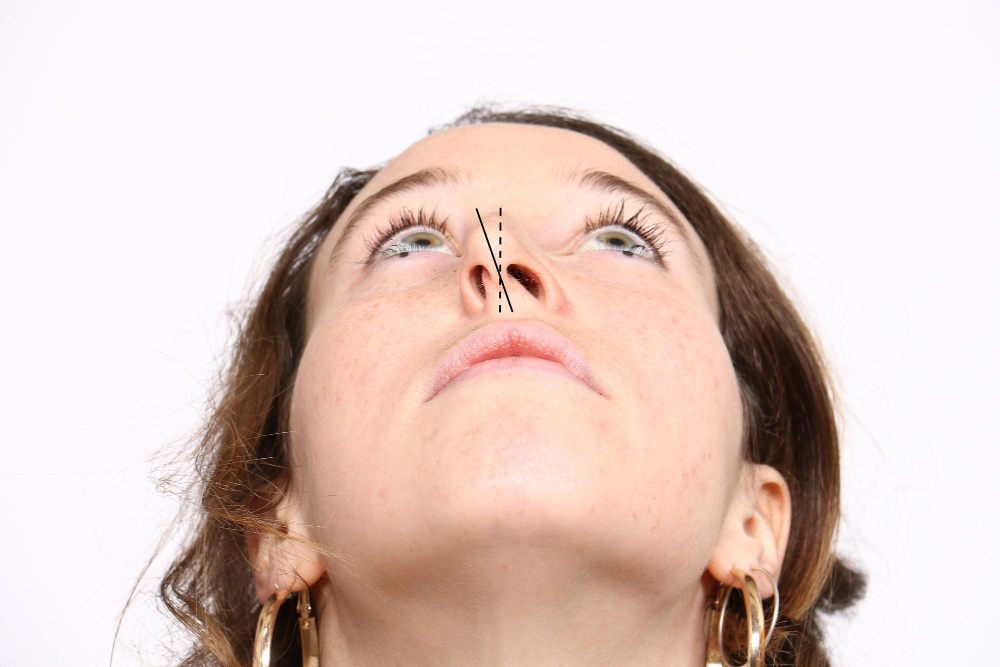
Many people struggle with blocked noses or trouble breathing. Often, a deviated nasal septum is the reason. The nasal septum is the thin wall inside your nose. It divides the left and right airways. When this wall is off-center, it is called a deviated nasal septum. As a result, you may notice breathing difficulty, nasal obstruction, or frequent stuffy nose. Understanding this condition can help you find relief and improve your ENT health.
What Is a Deviated Nasal Septum?
Simply put, the nasal septum is a thin wall made of bone and cartilage. It separates your left and right nostrils. In some people, this wall is not straight. Instead, it bends to one side. This is known as a deviated nasal septum. Because of this bend, one side of your nose may feel blocked. Sometimes, the bend is small and causes no problems. However, if it is severe, it can lead to breathing difficulty and other nasal issues.
Common Symptoms of a Deviated Nasal Septum
Not everyone with a deviated septum has symptoms. Yet, many people notice problems like:
Sometimes, symptoms get worse during a cold or allergy season. In addition, dry air can make the nose feel even more blocked.
Main Causes of Deviated Nasal Septum
There are several reasons why someone may have a deviated nasal septum. For example, some people are born with it. This means the septum developed unevenly before birth. On the other hand, injuries to the nose can also cause the septum to bend. These injuries may happen during sports, accidents, or even at birth. Over time, normal aging can also affect the shape of the septum.
According to the American Academy of Otolaryngology, up to 80% of people may have some degree of septal deviation.
How a Deviated Septum Leads to Breathing Difficulty
When the septum is not straight, it narrows one side of the nose. As a result, air cannot flow easily through that side. This leads to nasal obstruction and makes breathing harder. In addition, the narrow passage can dry out, causing nosebleeds or crusting. Sometimes, a deviated septum also makes you more likely to get sinus infections. Because your nose cannot clear mucus well, germs can grow more easily. For many, these issues become worse at night or when lying down.
Diagnosis: How Doctors Identify a Deviated Nasal Septum
Doctors, especially ENT specialists, use several methods to check for a deviated nasal septum. First, they will ask about your symptoms. Next, they will look inside your nose with a special light or a small camera. Sometimes, they may use a nasal endoscope for a closer look. In rare cases, a CT scan may be needed. According to the CDC, a careful exam is the best way to diagnose nasal obstruction and related ENT health issues.
Treatment Options for Deviated Nasal Septum
Not all cases need treatment. However, if symptoms are bothersome, there are several options:
While medicines can help with symptoms, only surgery can fix the bend. The World Health Organization suggests surgery for people with severe nasal obstruction that does not improve with other treatments.
Tips for Managing Breathing Difficulty at Home
While waiting for treatment, you can try some simple steps at home. For example, you can:
Additionally, keeping your home clean and free of dust can help reduce nasal obstruction.
Prevention and When to Seek Medical Advice
While you cannot always prevent a deviated nasal septum, you can lower your risk of injury. For instance, wearing protective gear during sports can help. If you notice ongoing nasal blockage, frequent nosebleeds, or trouble sleeping, it is important to see a doctor. Early care can prevent more serious ENT health problems. Prompt treatment of nasal obstruction can improve your quality of life and reduce the risk of sinus infections, consult Dr. Sai Prateek.