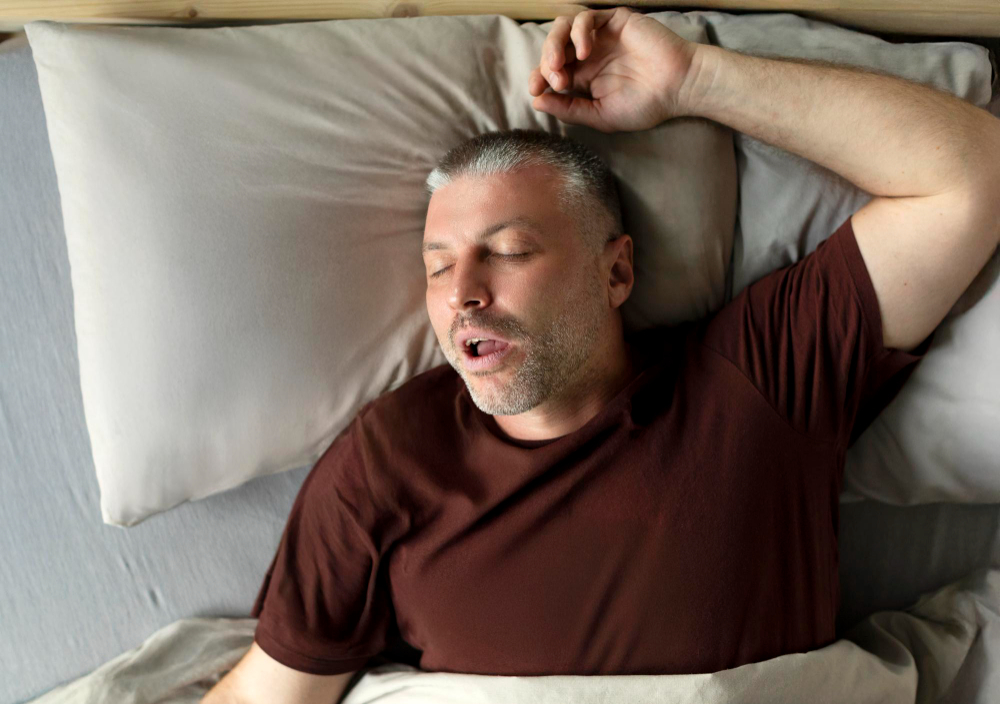
Many people struggle with poor sleep but may not know why. Sleep apnea is a common cause of restless nights and tired days. However, with timely diagnosis, you can improve sleep quality and overall health. Understanding sleep apnea is the first step to better rest and well-being.
What Is Sleep Apnea?
Sleep apnea is a condition where breathing stops and starts during sleep. Often, these pauses last a few seconds. Sometimes, they can happen many times each night. Because of this, your body may not get enough oxygen. There are different types, but obstructive sleep apnea is the most common. In this type, the airway becomes blocked while you sleep. As a result, you may wake up often and feel tired during the day.
Common Symptoms of Sleep Apnea
Recognizing the signs of sleep apnea can help you seek care sooner. For example, you might notice:
Sometimes, a partner or family member notices these symptoms first. Because symptoms can be mild or severe, it is important to pay attention to any changes in your sleep.
Causes and Risk Factors
Several factors can increase your risk of sleep apnea. For instance, being overweight is a major risk. In addition, having a large neck or narrow airway can raise your chances. Other risk factors include:
Because these risks add up, it is helpful to know your personal risk. The CDC and other health groups note that sleep apnea can affect anyone, even children.
How Sleep Apnea Is Diagnosed
Getting a sleep apnea diagnosis process usually starts with a visit to your doctor. First, your doctor will ask about your symptoms and health history. Next, you may need a sleep study. During this test, sensors track your breathing, heart rate, and oxygen levels while you sleep. Sometimes, you can do this test at home. Other times, you may need to visit a sleep center. Because early diagnosis is key, do not wait to talk to your doctor if you notice symptoms.
The Importance of Timely Diagnosis
Timely diagnosis of sleep apnea is important for many reasons. For one thing, untreated sleep apnea can lead to serious health problems. For example, it can raise your risk of high blood pressure, heart disease, and stroke. In addition, untreated sleep apnea can cause memory problems and mood changes. Because of these risks, early diagnosis helps you get the right treatment and avoid complications.
Treatment Options for Sleep Apnea
There are several ways to treat sleep apnea. Your doctor will help choose the best option for you. Common treatments include:
Because each person is different, your treatment may vary. If you live in a large city, you may find many options for sleep apnea treatment in your area. For example, otolaryngologists (ENT doctors) often help with diagnosis and care.
How Timely Diagnosis Improves Sleep Quality
When sleep apnea is found early, you can start treatment sooner. As a result, you may notice better sleep quality right away. For instance, many people feel less tired during the day. In addition, they may snore less and wake up feeling refreshed. Because treatment helps you get deeper sleep, your body and mind can recover each night. Over time, this can improve your mood, memory, and energy levels.
Lifestyle Tips for Better Sleep with Sleep Apnea
Along with medical treatment, simple changes can help improve sleep quality with sleep apnea. For example:
Because small steps can make a big difference, try adding one or two changes at a time. Over time, these habits can support better sleep and health.
Preventing Sleep Apnea Complications
Early care can help prevent problems linked to sleep apnea. For example, treating sleep apnea lowers the risk of heart disease and stroke. In addition, it can help control blood pressure and improve mood. Because regular check-ups are important, be sure to follow your doctor’s advice.
If you notice symptoms or having sleep problems, consult Dr. Sai Prateek right away. With the right steps, you can protect your health and enjoy better sleep.